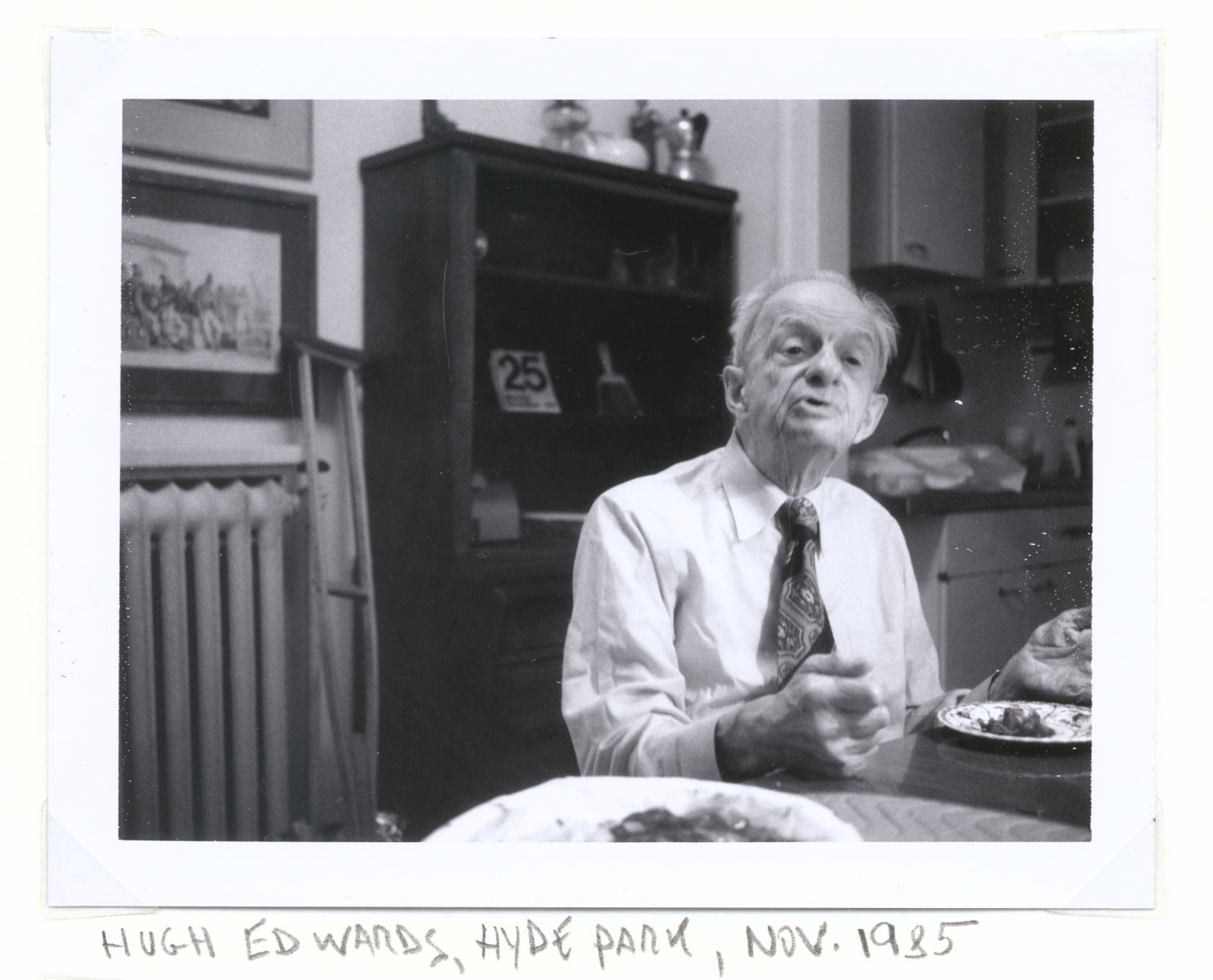
The Curatorial Eye of Hugh Edwards: From Weston to Frank
In the annals of photographic history, certain figures stand out not just for their creative output, but for their profound influence in shaping how we perceive and value the art form itself. Hugh Edwards, a long-serving curator at the Art Institute of Chicago, was one such individual. With a distinctive personal style and an even more distinctive curatorial vision, Edwards carved a path that championed both established masters and audacious new voices. His story, brimming with astute judgment and a maverick spirit, is ripe for a Hugh Edwards: Visionary Curator Who Shaped Photography, a deep dive into the mind of a man who saw photography not just as documentation, but as a powerful, evolving art form.
Edwards's "curatorial eye" was legendary. It was an eye that could discern genius in a raw student print and fiercely defend the groundbreaking work of a controversial master. His tenure at the Art Institute of Chicago, beginning in the late 1950s, became a testament to his foresight, building a collection and curating exhibitions that continue to resonate today. From the stark precision of Edward Weston to the gritty realism of Robert Frank, Edwards’s selections were never safe; they were always intentional, always pushing the boundaries of what was accepted and celebrated.
A Visionary's Debut: Forging a Path with Photography's Titans
By the spring of 1962, Hugh Edwards had already made significant waves, overseeing more than twenty exhibitions at the Art Institute. His early choices reveal a curator deeply engaged with both the historical and the modernist threads of photography. One of his notable early exhibitions featured the iconic works of Edward Weston. Weston, a pioneer of American modernism, was celebrated for his meticulous compositions, sharp focus, and exquisite printing, transforming everyday objects and landscapes into sublime forms. Edwards's decision to highlight Weston underscored his commitment to recognizing the highest standards of photographic artistry and validating photography's place within a major art institution.
But Edwards's vision wasn't confined to aesthetic purity alone. He also delved into photography's powerful role as a historical documentarian, exemplified by his survey of Alexander Gardner’s Civil War pictures. Gardner's stark, unflinching images brought the brutal reality of the American Civil War to public consciousness, capturing moments of profound human experience and historical significance. By juxtaposing the formal elegance of Weston with the raw historical weight of Gardner, Edwards demonstrated a nuanced understanding of photography's multi-faceted potential – as a medium for artistic expression, historical record, and powerful storytelling. This breadth of appreciation is precisely what makes his journey so compelling for any Hugh Edwards Documentary; it showcases a curator who refused to be pigeonholed, consistently seeking out excellence across diverse genres.
Championing the Avant-Garde: The Robert Frank Revelation
Perhaps the most famous anecdote illustrating Edwards's unconventional judgment and unwavering belief in artistic vision revolves around Robert Frank. When Edwards presented Frank's first solo exhibit – a groundbreaking display likely drawn from his revolutionary work, "The Americans" – it was met with some public resistance. The prints, perhaps due to Frank's raw, unfiltered aesthetic, reportedly had "dust on them," eliciting complaints from some viewers more accustomed to pristine, technically perfect works.
Edwards's response was legendary: "With pictures like that, who cares about the prints?" This pithy retort encapsulates his radical curatorial philosophy. For Edwards, the emotional impact, the truth, and the sheer audacity of Frank's vision far outweighed any minor technical imperfections. "The Americans" shattered conventional photographic norms, offering a gritty, subjective, and often critical portrayal of American life. Edwards, with his keen curatorial eye, recognized its profound significance immediately. His willingness to champion such a challenging and avant-garde body of work not only elevated Frank's status but also solidified the Art Institute's reputation as a progressive institution willing to embrace the cutting edge of contemporary photography. It's this kind of bold, decisive action that would undoubtedly be a focal point in an Uncovering Hugh Edwards: Mentor, Maverick, and Photo Icon, highlighting his role as a true maverick in the art world.
Practical Insight for Aspiring Curators: Edwards's handling of the Robert Frank exhibition offers a crucial lesson: trust your instinct for true artistic merit over conventional expectations or superficial critiques. A powerful vision, even if imperfectly rendered, often holds more lasting value than technically flawless but uninspired work.
Fostering Future Visionaries: The Mentor's Touch
Edwards wasn't just a curator of established and rising stars; he was also a passionate mentor who could spot raw talent. A poignant example is his encounter with a young Danny Lyon at the University of Chicago Festival of the Arts in May 1962. Edwards, with his characteristic crutches and sprightly conger hat, arrived to judge a small exhibition of student photographs. Lyon, then an amateur, submitted a black-and-white print of a Mojave Desert landscape – a serendipitous shot taken during a hitchhiking trip.
Edwards not only awarded Lyon first prize but, recognizing the potential, invited him to visit the Art Institute. It was during this visit that Edwards directed Lyon to Frank's groundbreaking exhibition, exposing him to a pivotal moment in photographic history. This interaction wasn't just about an award; it was about recognition, encouragement, and exposure to the broader world of serious photography. Edwards understood that mentorship involved not just evaluating work, but guiding and inspiring the next generation of artists. His ability to connect with young photographers, offering them crucial validation and direction, underscores his broader impact beyond the museum walls.
Tip for Emerging Photographers: The story of Danny Lyon highlights the importance of putting your work out there, even if you feel it's not "perfect." You never know who might see it and what doors might open. Seeking out feedback from experienced professionals can be invaluable for growth and unexpected opportunities.
The Enduring Legacy of Hugh Edwards: Why His Story Demands a Documentary
Hugh Edwards's influence extends far beyond the specific exhibitions he curated. He was instrumental in legitimizing photography as a serious art form within a major American museum, building a foundation for future curators and collectors. His fearlessness in embracing diverse photographic practices – from the formal and historical to the avant-garde and documentary – created a vibrant, inclusive space for the medium to flourish.
His distinctive personality, coupled with his unparalleled eye, makes his life and work ideal subject matter for a Hugh Edwards Documentary. Such a film could explore the challenges he faced in a time when photography was still fighting for its place in the art world, delve into the behind-the-scenes stories of his most impactful exhibitions, and illuminate the personal connections he forged with artists. It would showcase a man who was not merely collecting pictures, but curating culture, shaping artistic taste, and nurturing the very soul of photography.
In conclusion, Hugh Edwards was more than a curator; he was a visionary, a mentor, and a maverick whose unwavering commitment to photographic excellence left an indelible mark on the art world. His journey from championing the established elegance of Edward Weston to bravely embracing the raw truth of Robert Frank epitomizes a curatorial philosophy that prioritized vision and impact above all else. His legacy continues to inspire, reminding us that true discernment lies not in adherence to convention, but in the courage to see, to believe, and to present the transformative power of art.